
A Journey Into The World of Coffee
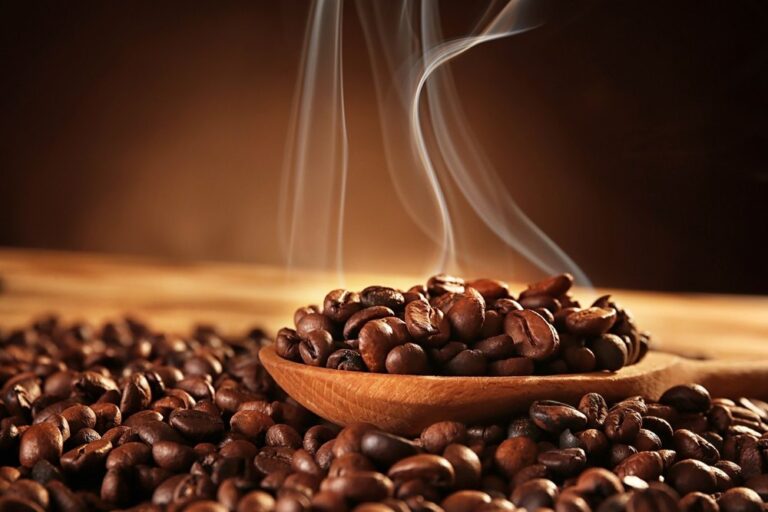
How to brew Coffee: The Ultimate Guide from Bean to Brew☕
Introduction
Coffee is not just a drink—it’s a ritual, a love affair, and for most, an everyday necessity. From that awakening aroma to the comfort of that initial sip, coffee has become intertwined with cultures worldwide. But within each cup exists an art and science that tends to go unappreciated.
No matter if you’re a beginner looking to cut the cord on instant coffee or a home barista perfecting your espresso shot, this guide will take you through all you need to know to brew better coffee at home. From selecting the perfect beans and grind to expertly brewing classic styles like pour-over, French press, and cold brew, this guide is your ultimate go-to for brewing the ultimate cup.
1. Understanding Coffee Beans
Types of Coffee Beans
There are more than 100 coffee species, but just two are found dominating the international market:
Arabica (Coffea arabica)
With its smooth and complicated flavor, Arabica beans are planted in high altitudes and need particular climates. They tend to be pricier but provide a high-quality taste.
Robusta (Coffea canephora)
More robust and containing more caffeine, Robusta beans are bitter, earthy, and usually blended in espresso beans and instant coffee.
Roast Levels
Roast level affects flavor more than you’d think:
Light Roast
Light brown, holds original bean traits, bright and acidic.
Medium Roast
Balanced, with moderate acidity and body—usually the most well-liked.
Dark Roast
Deep brown or black, with powerful, smoky flavors—best for espresso or French-style coffees.
Freshness Makes a Difference
Fresh coffee = better coffee. Always look for the roast date, not the expiration date. Ideally, use beans within 2–4 weeks of roasting.
Storage Tips
Store in a light-proof, airtight container, away from heat.
Avoid refrigeration (moisture is the coffee’s enemy).
Purchase whole beans and grind immediately before brewing.
2. Grinding the Coffee
Why Grinding Matters
Grind size determines extraction. Too fine, and your coffee could be bitter; too coarse, and it will taste weak and sour.
Burr vs. Blade Grinders
Blade Grinder
Inexpensive, but uneven grind size. Better than nothing.
Burr Grinder
Has two abrasive surfaces to provide an even grind. This is the standard for serious coffee consumers.
Grind Size Chart
Brew Method Grind Size
French Press Coarse
Cold Brew Coarse
Pour-Over (V60) Medium-Fine
Drip Machine Medium
AeroPress Medium-Fine
Espresso Fine
Turkish Coffee Extra Fine
Grind your beans immediately before brewing to maintain flavor and aroma.
3. Water Quality & Ratios
Water Quality
Coffee is 98% water, so if your tap water tastes bad, so will your coffee. Use filtered water for optimal results.
Temperature
Sweet spot for brewing: 195°F to 205°F (90–96°C). Boiling water (212°F) will scald your coffee, so wait 30–60 seconds after boiling before pouring.
Coffee-to-Water Ratio
The Golden Ratio is approximately:
1:15 to 1:18 (1 gram of coffee for every 15–18 grams of water)
Begin at 1:16 and adjust according to taste.
Example:
For a 12 oz (355 ml) cup, use about 22 grams of coffee.
4. Popular Brewing Methods (Step-by-Step)
Let’s break down the most popular brewing methods with tips and step-by-step guides.
French Press
Time: 4 minutes
Flavor: Full-bodied, rich
You’ll Need:
French press
Coarse-ground coffee
Hot water (200°F)
Steps:
Add coarse grounds (1:15 ratio).
Pour in hot water and stir.
Let steep for 4 minutes.
Press plunger down slowly.
Serve immediately.
Pros: Easy, no paper filters, bold flavor
Cons: Can be muddy if over-steeped
Pour-Over (e.g., Hario V60 or Chemex)
Time: 3–4 minutes
Flavor: Clean, bright, nuanced
You’ll Need:
Pour-over cone & filter
Medium-fine grounds
Gooseneck kettle
Steps:
Rinse filter and preheat brewer.
Add coffee (1:16 ratio).
Pour 2x coffee weight in water to “bloom” for 30 sec.
Continue pouring in slow circles.
Total brew time: 3–4 minutes.
Pros: Great control, clarity
Cons: Requires precision
Drip Coffee Maker
Time: 5–7 minutes
Flavor: Balanced
You’ll Need:
Drip machine
Medium grind
Steps:
Add coffee to filter basket.
Add cold, filtered water.
Start machine and wait.
Pros: Convenient for daily use
Cons: Limited customization
AeroPress
Time: 2–3 minutes
Flavor: Smooth, intense
You’ll Need:
AeroPress
Medium-fine grind
Steps (Standard Method):
Add filter and rinse.
Add coffee, then water.
Stir and steep for 1 minute.
Press down gently.
Pros: Portable, quick, low acidity
Cons: Single cup at a time
Espresso Machine
Time: ~30 seconds per shot
Flavor: Strong, concentrated
You’ll Need:
Espresso machine
Fine grind
Steps:
Grind fresh beans finely.
Tamp grounds evenly into portafilter.
Brew for 25–30 seconds.
Enjoy as a shot or base for lattes.
Pros: Coffeehouse-quality drinks
Cons: Expensive, steep learning curve
Cold Brew
Time: 12–18 hours
Flavor: Smooth, low acidity
You’ll Need:
Coarse grind
Cold water
Jar or cold brew system
Steps:
Mix grounds and water (1:8 ratio).
Steep in fridge 12–18 hours.
Strain using cheesecloth or fine mesh.
Dilute 1:1 with water or milk.
Pros: Refreshing, make-ahead
Cons: Long steeping time
Moka Pot
Time: ~5 minutes
Flavor: Strong, stovetop espresso-like
You’ll Need:
Moka pot
Fine grind
Steps:
Fill bottom chamber with water.
Add grounds to filter basket.
Assemble and heat on stove.
Wait until coffee bubbles up.
Pros: Affordable espresso alternative
Cons: Can over-extract if overheated
5. Tips to Enhance Your Brew
Pre-wet paper filters to remove papery taste.
Bloom your coffee for better flavor extraction (especially in pour-over).
Preheat your mug so coffee stays hot longer.
Weigh your ingredients with a kitchen scale.
Clean equipment regularly to prevent buildup and bitterness.
6. Common Mistakes to Avoid
Using stale coffee (buy fresh!)
Brewing with too hot water
Choosing the wrong grind size
Not measuring water-to-coffee ratio
Skipping cleaning—old oils ruin flavor
7. Serving & Flavor Additions
Once you’ve nailed the basics, it’s time to enjoy your coffee your way:
Common Additions:
Milk or plant-based alternatives
Sugar, honey, agave syrup
Flavored syrups (vanilla, caramel)
Whipped cream
Spices & Extras:
Cinnamon, nutmeg, cardamom
Cocoa powder
Orange zest
Ice for a refreshing twist
Food Pairings:
Croissants, pastries, toast
Oatmeal or granola
Eggs and breakfast sandwiches
8. Sustainable & Ethical Coffee Tips
You don’t have to love the planet any less by loving coffee.
Select Fair Trade or Direct Trade beans
Seek out organic and shade-grown labels
Use reusable filters or compostable ones
Compost coffee grounds
Do away with pods—use recyclable or refillable systems
9. Conclusion
Making great coffee isn’t complicated, but it’s an art worth mastering. The quality of your beans, water, and method all play a role in the final cup. Whether you’re just starting or looking to upgrade your home barista game, there’s always room to refine your brew.
So experiment, taste, and find the method that fits your morning ritual. Great coffee is just a few steps away—cheers!